

overview

The year 2024 was characterized by swift changes in politics, the economy and technology. Despite global uncertainty, financial markets showed resilience. Below is a summary of the ten most important developments and outcomes that shaped the investment year.
Despite geopolitical tensions, including the situation in the Middle East, the war in Ukraine, and political shifts in America and Europe, SSPF Pension Fund achieved a robust investment result of 3.0%. SSPF’s investment portfolio is structured to maintain a stable funding ratio and aims to deliver inflation-proof pensions for its participants. In 2024, inflation was approximately 3%, which corresponds to the recent indexation awarded, in line with the returns achieved in 2024.
Equity markets, particularly in the U.S., delivered outstanding results, with a return of over 18%. This was largely driven by major tech companies including Apple, Microsoft, Amazon, NVIDIA, Tesla, and Meta Platforms.
In response to falling inflation and slower economic growth, the European Central Bank and the U.S. Federal Reserve both cut their policy rates by one percentage point. Inflation declined from 2.9% to 2.2% in Europe, and from 3.4% to 2.7% in the U.S.
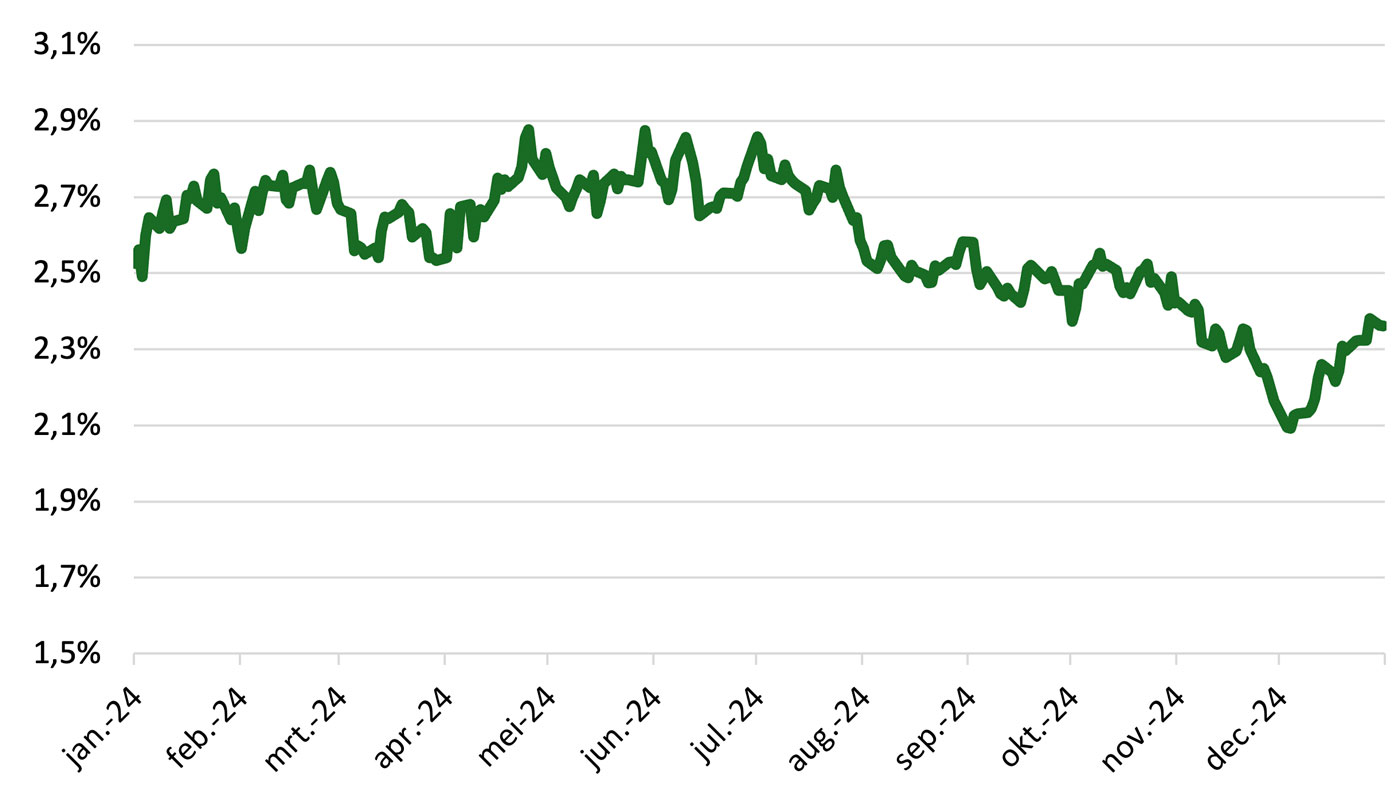
Figure 1: 20-year euro swap rate development – Source: Bloomberg
Interest rates decreased slightly by approximately 0.2% throughout 2024 (see figure 1). Lower interest rates mean that pension funds must set aside more money to cover future liabilities. SSPF largely hedges its interest rate risk through its Matching portfolio, limiting the negative impact of lower interest rates on the funding ratio.
Real estate investments faced a difficult year due to high interest rates and limited market liquidity, resulting in a negative return of -9.6%. However, initial signs of recovery are emerging, particularly in the European real estate market, although this has not yet been reflected in property valuations.
The portfolio designed to hedge risks from changes in interest rates and inflation performed negatively as expected inflation fell and risk premiums on government bonds increased (bond-swap spread), especially on French government bonds.
Investments focused on returns achieved strong results (7.8%) and outperformed the benchmark (0.6%). The pension fund intentionally invests in various asset classes within this sub-portfolio to spread risks and achieve diversification. Performance among the underlying asset classes was mixed. The positive return of the RSA portfolio was primarily driven by the strong performance of equities (18.3%).
The Liquidity & Investment Grade assets portfolio—which aims to provide liquidity and achieve a moderate return above the risk-free rate—delivered a positive return (4.6%), thus outperforming its benchmark (1.1%).
What's in SSPF's investment portfolio
The investment portfolio is built around three core components, each with its own role.
- Return-Seeking Assets
This portfolio aims to achieve returns. It includes investments such as, equities, fixed income, private equity, hedge funds, and real estate. These returns are needed to help pensions grow in line with inflation over the long term. - Matching Portfolio
This portfolio tracks the value of the pension liabilities. It mainly reduces the risk of interest rate fluctuations, helping to keep the fund’s financial position more stable. - Liquidity & Investment Grade Assets
This portfolio aims to provide liquidity and achieve returns higher than the risk-free rate. It contains relatively safe investments, such as government bonds, Dutch mortgages and high-quality corporate bonds.
The additional premium for higher-risk bonds decreased, positively contributing to returns in 2024. However, this also means there is less buffer to absorb potential future credit losses.
Donald Trump's election victory led to broadly positive market reactions, partly driven by his plans for deregulation. The U.S. stock market performed exceptionally well in 2024, largely fueled by the AI revolution and robust growth among the 'Magnificent Seven'. This has increased concentration risk: the ten largest technology companies now account for nearly 27% of the global equity index. Globally, equities rose by over 26% in euros (see figure 2).
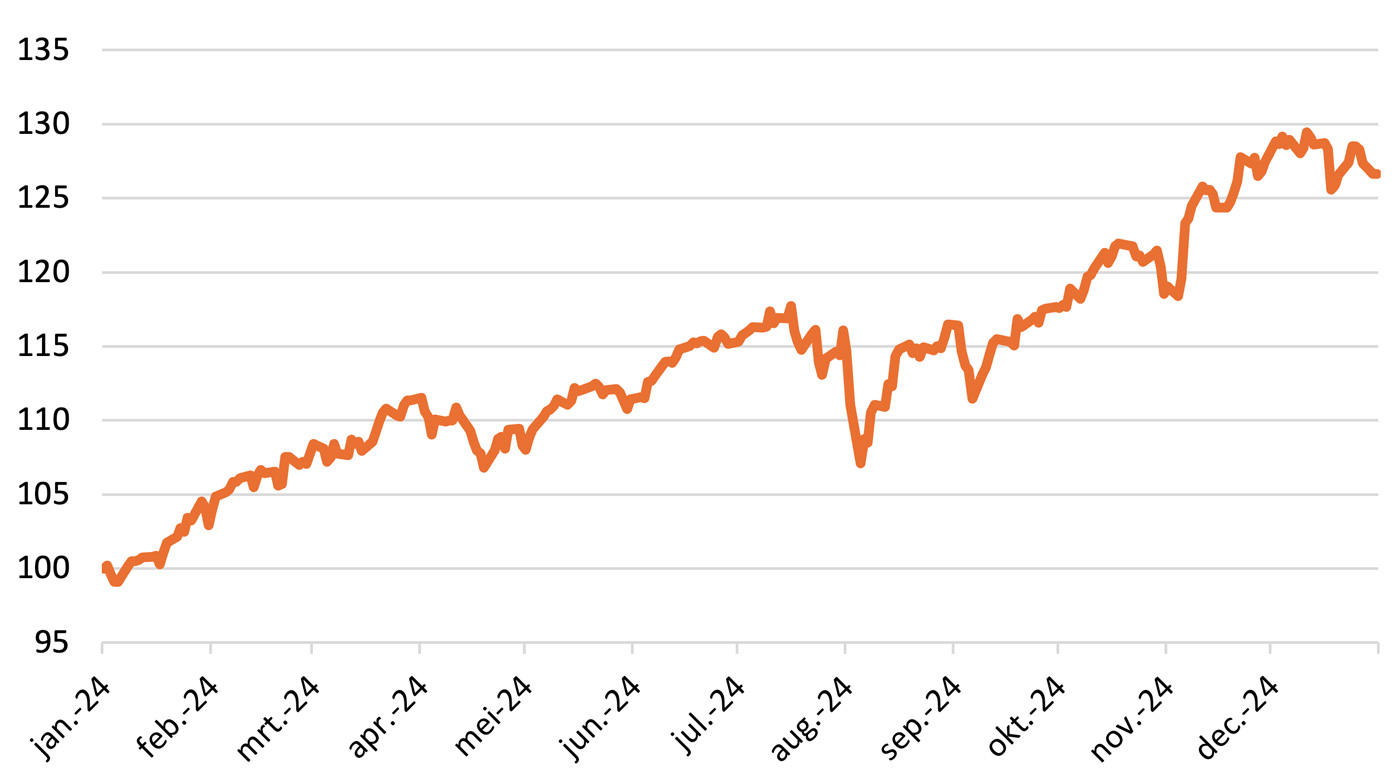
Figure 2: MSCI World Total Return Index in euros – Source: Bloomberg
These 10 key points provide an overview of the financial market landscape in 2024, highlighting both the gains and the challenges that will remain relevant in the years ahead.
A look behind the scenes of the 2024 investment year
Curious how SSPF invests participants’ money? Read the interview with Risk & Investment Officer Yvette Hennen and Investment Analyst Leon Verboon from Shell Pensioenbureau Nederland. They explain more about the investment year 2024 and the choices that were made.